1. Introduction, safety and survival
1.1 Safety guidance
1.2 Principles of survival at sea
1.3 Definitions, survival craft and appliances
1.4 SOLAS training manual
1.5 Safety symbols
2. Emergency situations
2.1 Type of emergencies
2.2 Precautions
2.3 Fire provisions
2.4 Foundering
2.5 Crew expertise and initial familiarization
2.6 Muster list and emergency signals
2.7 Crew and emergency instructions
2.8 Extra equipment and survival
2.9 Abandoning ship-complications
3. Evacuation
3.1 Abandoning ship-last resort
3.2 Personal preparation for abandoning ship
3.3 Need to prevent panic
3.4 Crew duties to passengers
3.5 Crew duties-launching survival craft
3.6 Master’s orders to abandon ship
3.7 Means of survival
4. Survival craft and rescue boats
4.1 Lifeboats
4.2 Lifejackets
4.3 Rescue boats
5. Personal life-saving appliances
5.1 Lifebuoys
5.2 Lifejackets
5.3 Immersion suit/anti-exposure suit
5.4 Thermal protective aids
6. Personal life-saving appliances (demonstrations)
6.1 Lifebuoys
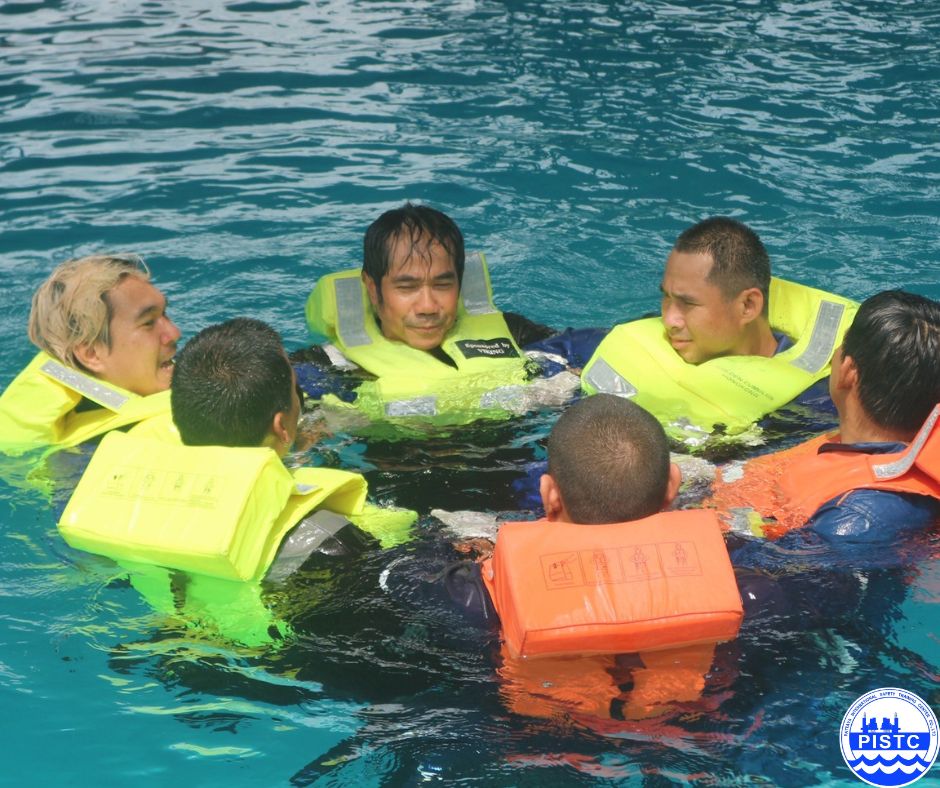
6.2 Lifejackets,
6.3 Inflatable lifejackets
6.4 Immersion suit/anti-exposure suit
6.5 Thermal protective aids
6.6 Personal survival without a lifejacket
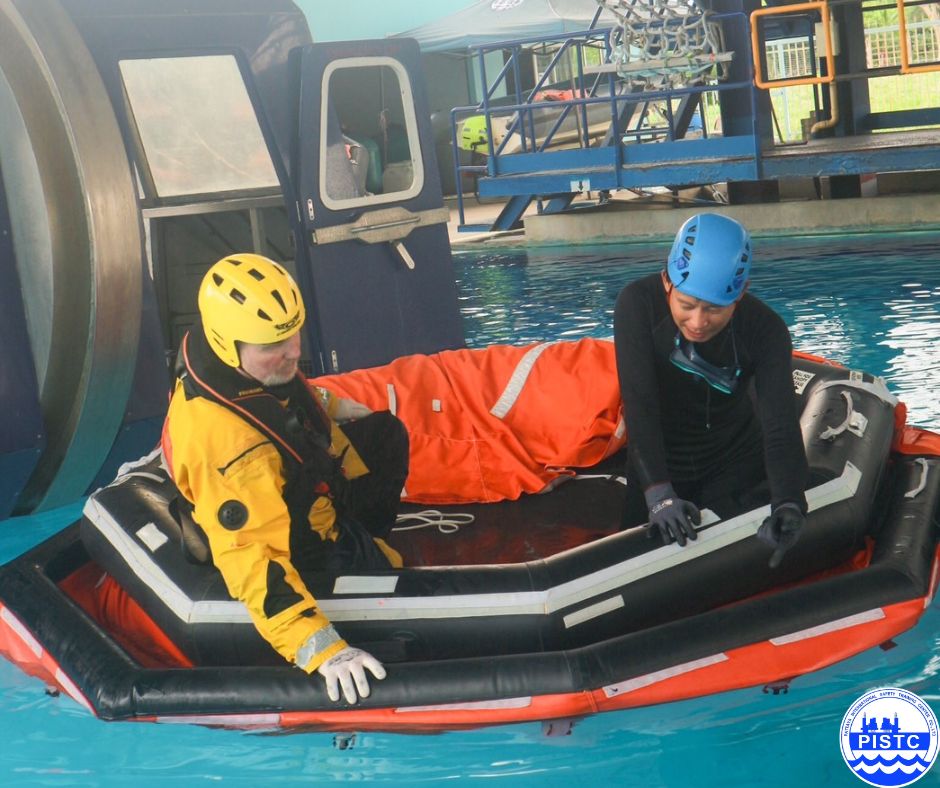
6.7 Boarding survival craft
7. Survival at sea
7.1 Danger to survivors
7.2 Best use of survival craft facilities
8. Emergency radio equipment
8.1 Portable radio apparatus for survival craft
8.2 Emergency position indicating radio beacons (EPIRB)
8.3 Search and rescue transponders (SART)
9. Helicopter assistance (optional)
9.1 Communicating with the helicopter
9.2 Evacuation from ship and survival craft
9.3 Helicopter pick-up
9.4 Correct use of helicopter harness
10. Review and final assessment